 English
 Español
 Français
 Português
Window Patching Machine vs. Traditional Patching: When to Upgrade?
You’ve been running the same window patching line for years. It gets the job done—mostly. But the rejects are adding up, the setup time is eating into your shifts, and you‘re turning down jobs that require V-cuts or creasing because your machine can’t handle them.
The question isn‘t whether your current Window Patching Machine works—it’s whether it works well enough to keep you competitive. Traditional mechanical machines have served the industry well, but the demands of modern packaging—shorter runs, more complex designs, tighter tolerances—are pushing older equipment to its limits.
This guide compares traditional mechanical window patching machines with modern full-servo systems across three key dimensions: speed and output, precision and quality, and versatility and setup. We‘ll look at the specific capabilities of a full-servo machine like the XY-90/1100-S and help you decide when it’s time to make the switch. For packaging production managers and equipment buyers, this is a practical framework for evaluating your next investment.
The Speed and Output Gap
Production speed is the most visible difference between traditional and modern machines.
Traditional Mechanical Speeds
Older mechanical window patching machines typically run at 4,000-8,000 pieces per hour, depending on the complexity of the job and the operator‘s skill. The mechanical linkages limit how fast the machine can cycle, and any speed increase requires mechanical adjustments that take time.
Full-Servo Capabilities
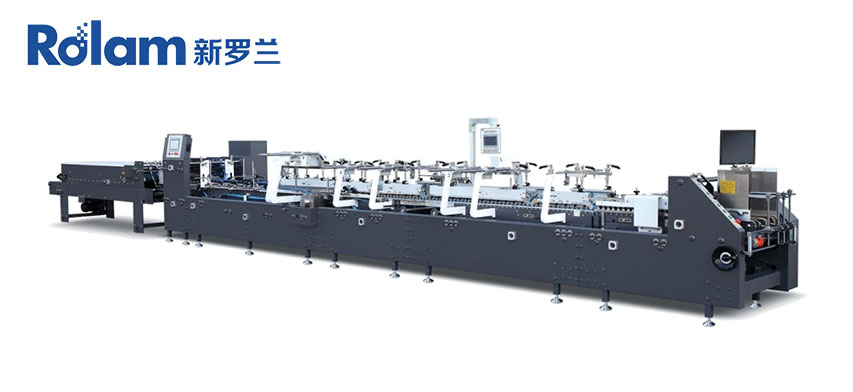
The XY-90/1100-S achieves 4,000-13,000 pieces per hour for normal pasting, and 4,000-12,000 pieces per hour for corner cutting and creasing. The 11-servo system delivers consistent speed across the entire production cycle—paper feeding, film feeding, gluing, and delivery all run in sync without the bottlenecks that mechanical systems create.
The Real-World Impact
At the top end, that’s more than 60% higher output than a traditional machine. Over a 24-hour production cycle, that difference translates into thousands of additional boxes—or the ability to run the same volume in fewer shifts, freeing up labor and reducing overtime costs.
Precision That Reduces Waste
Speed is worthless if the quality isn‘t there. This is where full-servo machines shine.
Mechanical Tolerance Drift
Traditional machines use mechanical cams, gears, and linkages. Over time, wear creates play in the system. Registration drifts. Film alignment shifts. Operators compensate with manual adjustments, but the precision is never quite what it was when the machine was new.
Servo-Controlled Precision
The XY-90/1100-S uses 11 servo motors and a human-machine interface to monitor and correct deviation at each part of the production process. The servo and photoelectric sensor work together to maintain alignment across paper feeding, film positioning, and gluing. The result: consistent quality from the first box to the last.
Quality That Saves Money
Reduced rejects mean less waste—and in packaging, waste is direct cost. A full-servo machine with precision point-to-point positioning and automatic deviation correction delivers the kind of consistency that mechanical systems can’t match, especially on long runs where mechanical drift becomes noticeable.
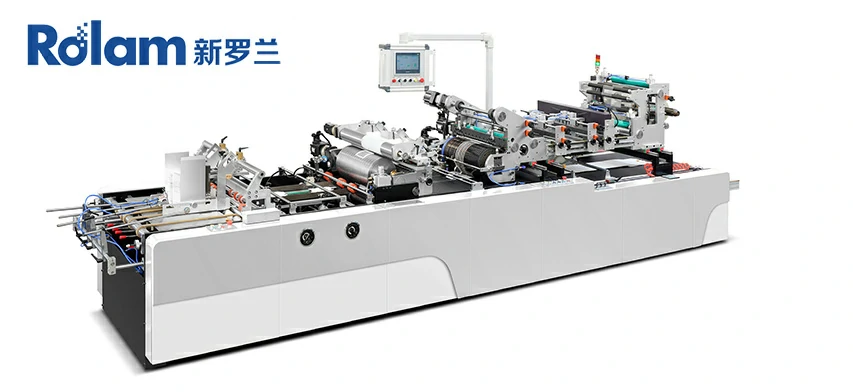
Versatility – Doing More Than Just Patching
The packaging market is demanding more complex designs. Your machine needs to keep up.
Traditional Limitations
Older window patching machines do one thing: patch a rectangular window onto a flat box. If your customer wants a V-cut, a crease line, or a special-shaped window, you’re either turning down the job or sending it to another converter.
Full-Servo Capabilities
The XY-90/1100-S is designed for multi-function use: normal pasting, V-cut, and creasing line products. It can handle horizontal film corner cutting and creasing lines (optional), punch holes in the film (optional), and support some special-shaped window customization (optional). This versatility means you can say “yes” to more jobs without adding new equipment.
The Business Case
The ability to handle V-cuts and creasing in-line eliminates a separate finishing step. What used to be two operations—patching then creasing—becomes one. That‘s not just a production gain; it’s a competitive advantage. The XY-90/1100-S supports paper lengths from 140-800mm and paper widths from 40-450mm, handling a range of box sizes.
| Feature | Traditional Mechanical | Full-Servo (XY-90/1100-S) |
|---|---|---|
| Speed | 4,000-8,000 pcs/h | 4,000-13,000 pcs/h |
| Servo Systems | None or limited | 11 sets |
| V-Cut Capability | No | Yes |
| Creasing In-Line | No | Yes (optional) |
| Deviation Correction | Manual | Automatic |
| Setup Time | Hours (mechanical) | Minutes (touch screen) |
| Film Types | Standard film | 0.05-0.25mm thickness |
Setup Time and Ease of Use
The hidden cost of traditional machines is setup time. Every job change means mechanical adjustments that take time and skill.
The Mechanical Setup
Changing a job on a traditional machine means adjusting paper guides, film rollers, glue applicators, and delivery settings—all mechanically. It’s a process that takes hours and requires a skilled operator who knows the machine intimately.
Touch-Screen Setup
The XY-90/1100-S uses a man-machine interface where paper length and speed are entered directly on the touch screen. The paper feeding part adopts servo photoelectric control, so you don’t need to adjust paper length by hand. The pin paper-feeding part uses servo control that can be operated directly on the touch screen, allowing you to change the angle and adjust connection speed between paper and pin for different papers.
The Operator Impact
Shorter setup time means more production time. A machine that can change over in minutes instead of hours keeps your line running and your operators productive. The XY-90/1100-S also features a double-sheet/empty sheet automatic glue lifting function, preventing glue waste and contamination when paper feed issues occur.
Questions Production Managers Ask
How long does it take to recoup the investment in a full-servo machine?
Recoupment depends on your production volume and labor costs. For a converter running 2-3 shifts with frequent job changes, the combination of higher speed, reduced setup time, and lower waste can pay back the investment in 12-18 months. The XY-90/1100-S‘s ability to handle V-cuts and creasing in-line also eliminates secondary operations, adding to the savings. For converters running single-shift with long runs of standard boxes, the payback period may be longer. Gaoke Machinery‘s team can provide a specific ROI analysis based on your production profile.
Can a full-servo machine handle the same range of paper and film as a traditional machine?
Yes—and more. The XY-90/1100-S handles paper from 140-800mm in length and 40-450mm in width, supporting cardboard and corrugated paper with various surface treatments. Film thickness ranges from 0.05-0.25mm. The suction and conveying part uses a combination of servo and blower, with adjustable wind force for different paper specifications, ensuring stable paper adsorption on the conveyor belt.
What about maintenance—are servo machines harder to maintain than mechanical ones?
Servo machines require less mechanical maintenance because there are fewer wear parts—no cams, fewer gears, no mechanical linkages to adjust. The gluing part on the XY-90/1100-S is designed for easy cleaning: the roller can be pulled out for setting and cleaning, and the glue separating guide plate is adjustable. The gluing roller can be lifted after stopping to prevent glue solidifying, and its position can be adjusted axially and radially without stopping the machine. Most maintenance is software-based and can be handled through the touch-screen interface.
When to Make the Switch
Upgrading isn‘t always the right decision—but when it is, the benefits are clear.
Signs It’s Time to Upgrade
You‘re experiencing declining output as the machine ages. Setup times are eating into production hours. You’re turning down jobs that require V-cuts or special-shaped windows. Reject rates are climbing, and operators are spending more time troubleshooting than producing. These are the signs that your current machine is costing you more than a new one would.
The Role of Servo Technology
The XY-90/1100-S represents what‘s possible when servo technology is applied to every part of the process—feeding, cutting, gluing, and delivery. The 11-servo system provides the precision that mechanical systems can’t match. The suction and conveying part uses a servo and blower combination that can change wind force for different paper specifications. The gluing part is driven by servo motor, cylinder, and photoelectric sensors. Each subsystem works independently and in sync, delivering consistent quality at high speed.
Gaoke Machinery’s Window Patching Solutions
Gaoke Machinery manufactures a range of window patching machines designed for the demands of modern packaging production. The Full Servo Window Patching Machine XY-90/1100-S features intelligent motion control with 11 servo systems, automatic deviation correction, and a user-friendly touch-screen interface. It supports normal pasting, V-cut, and creasing line products, with optional features including horizontal film corner cutting, punch holes, and special-shaped window customization. The machine handles speeds up to 13,000 pieces per hour and paper widths from 40-500mm.
Gaoke Machinery provides comprehensive support for their window patching machines, including technical guidance, installation, and after-sales service. For converters weighing the decision to upgrade, the company offers detailed product specifications and application advice to help match the machine to your production needs.
Upgrading from a traditional mechanical window patching machine to a full-servo system is a significant decision—but it‘s one that pays off in speed, precision, versatility, and ease of use. The XY-90/1100-S from Gaoke Machinery delivers the capabilities that modern packaging production demands, from high-speed output to complex V-cut and creasing applications. If your current machine is holding you back, it’s time to look at what a full-servo machine can do for your production line.
Ready to evaluate a full-servo window patching machine for your production line? Reach out to Gaoke Machinery‘s team—they can provide product samples, technical specifications, and a customized upgrade analysis based on your current production profile.