 English
 Español
 Français
 Português
Troubleshooting Inconsistent Folding on Folding Gluing Machine
You've run a batch of cardboard blanks through the folding gluing machine. Some boxes come out perfectly folded, square, and ready for packing. Others are skewed — the top flap overlaps the bottom flap, or the glue line shifts as the box moves downstream. You adjust one setting, and the problem moves to a different part of the box. The machine is running, but the quality isn't consistent.
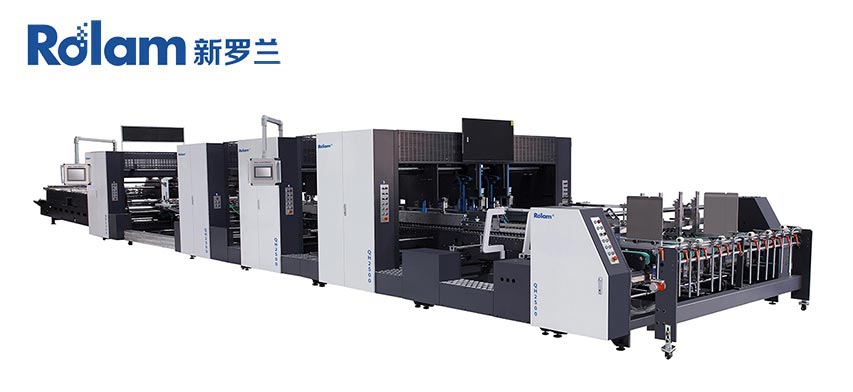
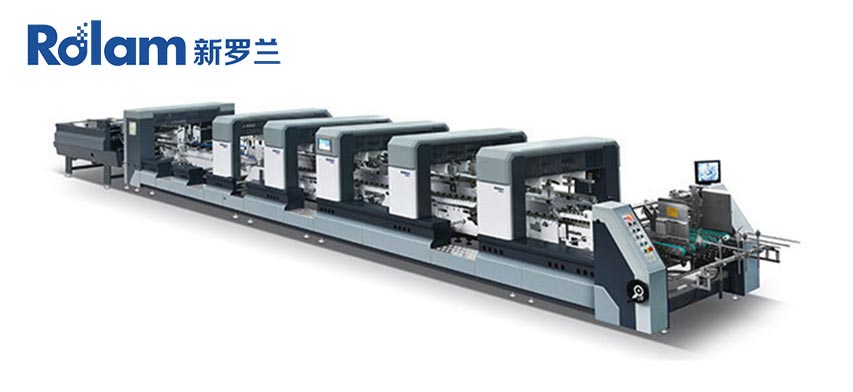
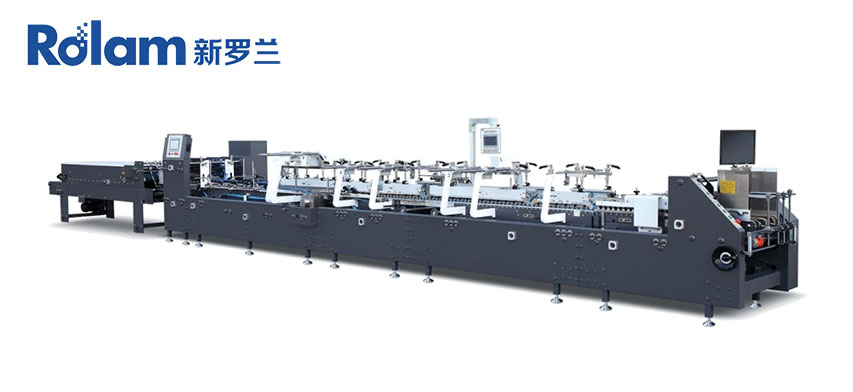
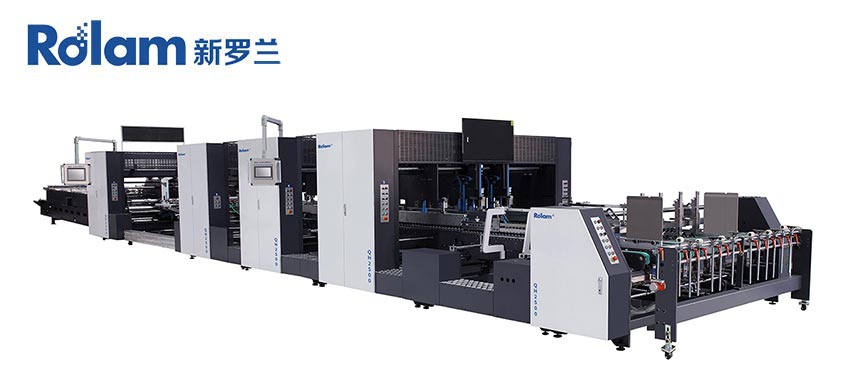
Inconsistent folding on a folding gluing machine is one of the most frustrating production problems because it can have multiple causes. The QH Series heavy-duty folder gluer from Gaokemachine is built for corrugated cardboard boxes, handling 4/6 corners, crash lock bottom, and straight-line cartons with servo-driven sections and linear guide adjustment. But even the best machine needs systematic troubleshooting. This guide walks through the most common causes of inconsistent folding — organized by the symptom you see — so you can diagnose and fix the problem fast.
Read the fold — what the symptom tells you
Before you start adjusting settings, look at what the fold is telling you. Different symptoms point to different root causes.
Top flap overlaps bottom flap — feeder alignment issue
When the top flap consistently overlaps the bottom flap on one side of the box, the paper is entering the machine skewed. Check the feeder's left and right baffles — they must be parallel and set to the correct width. The QH Series features a unique push structure that makes supporting the cardboard adjustment more convenient and stable. If the baffles aren't parallel, the sheet enters at an angle, and the fold follows that angle.
Glue line shifts from center as the box moves downstream
If the glue line starts centered but drifts as the box travels through the folding section, the folding belts on the left and right sides are running at different speeds. Uneven belt speed pulls one side of the box faster than the other, skewing the fold. The QH Series uses servo motors in the folding section, allowing independent speed adjustment for each belt. Check the belt speed settings — they should be identical for symmetrical folding.
Crease line splits open after folding
When the crease line cracks or opens after folding, the creasing depth is insufficient or the paper grain direction is wrong. Inspect the creasing matrix — if it's worn, replace it. If the paper grain runs perpendicular to the fold, the fibers are more likely to split. Running a different batch of board with the grain parallel to the fold often solves the problem.
Belt tension — the most overlooked cause
Folding belts that are too loose or too tight cause a range of folding problems. Yet belt tension is often the last thing operators check.
Too loose — slipping and inconsistent speed
A loose belt slips under load, causing the box to hesitate or lag on one side. The result: skewed folds and inconsistent timing. You'll often hear a squealing sound from the belt drive when a belt is too loose. The QH Series uses imported timing belts and press belts that meet European and American safety standards, but even the best belts need proper tension.
Too tight — motor strain and premature wear
An over-tightened belt puts excessive load on the drive motor and bearings. The motor draws higher current, and the belt wears prematurely. If you notice increased power consumption or unusual heat from the motor, check belt tension first.
The thumb test — tension without tools
With the machine stopped, press the center of the belt with your thumb. A properly tensioned belt should deflect 10–15mm under moderate pressure. If it deflects more than 15mm, tighten it. If it deflects less than 10mm, loosen it. This simple check takes 30 seconds and prevents most belt-related folding issues.
Folding rail alignment — precision matters
The folding rails guide the cardboard into its final shape. Even a small misalignment creates inconsistent folds.
The paper test for parallelism
Take a blank sheet of cardboard and push it manually through the folding rails. It should move smoothly without binding or wobbling from side to side. If the sheet jams or drifts to one side, the rails aren't parallel. Adjust the rails until the sheet passes through cleanly. The QH Series uses a 3-plate type rail device for precise folding control.
Cam follower adjustment
The folding rails have cam followers that can be adjusted to fine-tune the fold angle. If the fold is consistently too tight or too loose, loosen the cam follower bolts and adjust them in small increments. Use a feeler gauge to check the gap — the same gap on both sides ensures symmetrical folding.
Checking rail wear
Over time, the folding rails wear from constant contact with cardboard. Worn rails create uneven folding pressure — one side of the box folds cleanly, the other side doesn't. If you've adjusted the rails and the problem persists, inspect the rail surfaces for wear. The QH Series features a strong stainless steel frame that ensures stable high-speed operation, but wear parts like rails and belts still need periodic replacement.
Pre-folding crease quality — the hidden factor
Folding inconsistency often starts before the paper reaches the folding section. If the crease isn't correct, the fold won't be correct.
Insufficient creasing depth
If the crease isn't deep enough, the cardboard resists folding, and the fold line wanders. The QH Series includes a secondary creasing function that corrects indentation lines existing in the corrugated box itself. If you're running 3-ply or 5-ply corrugated boxes, secondary creasing is essential for consistent folding.
Worn creasing matrix
The female die (creasing matrix) wears over time, especially when running abrasive recycled board. A worn matrix produces inconsistent crease depth across the sheet. Inspect the crease line — if it shows cracking or splitting, the matrix needs replacement. The QH Series meets the folding requirements for 3-ply and 5-ply cartons perfectly.
Paper grain direction
When the fold runs against the paper grain, the fibers crack and the fold is weaker. This is a material issue, not a machine issue. Run a test with the same board rotated 90 degrees. If the folding improves, specify the grain direction when ordering board.
Transient issues — problems that come and go
Some folding problems appear intermittently, making them harder to diagnose.
Dried glue buildup on belts
Glue residue accumulates on the folding belts, creating uneven surface friction. The box slips in some areas and grips in others, causing inconsistent folding. Clean the belts every four hours with a damp cloth. The QH Series includes a lower gluing tank that is easy to remove and clean, making regular maintenance simpler.
Static electricity
Static charge causes cardboard sheets to repel each other or stick to the machine, disrupting the folding process. Install anti-static tinsel or an ionizing bar near the feeder and folding section. Grounding the machine also reduces static buildup.
Feeder overload
When the feeder tray is overloaded, the bottom sheet doesn't separate cleanly, and the sheet enters the machine at a slight angle. This causes intermittent skewing that's hard to trace. Keep the feeder stack at the recommended height — typically 200–300mm for most folder gluers.
Below is a quick reference table for folding symptoms and likely causes:
| Symptom | Most Likely Cause | First Check |
|---|---|---|
| Top flap overlaps bottom flap | Feeder misalignment | Check left/right baffle parallelism |
| Glue line shifts downstream | Uneven belt speed | Verify left/right belt speed settings |
| Crease splits open | Insufficient creasing depth | Inspect creasing matrix; check grain direction |
| Box skews intermittently | Belt tension variation | Thumb test for 10–15mm deflection |
| Fold angle inconsistent | Folding rail misalignment | Paper test for rail parallelism |
| Sporadic folding issues | Static or glue buildup | Clean belts; install anti-static tinsel |
Questions operators ask about folding inconsistency
Q: Why does folding error increase at higher speeds?
A: At higher speeds, belts have less time to grip the cardboard, and any misalignment or tension issue becomes more pronounced. The QH Series reaches up to 280m/min. If you're running at high speed and seeing errors, reduce speed by 10–20% and check if the errors disappear. If they do, the problem is speed-dependent — likely belt tension or rail alignment. Adjust those at lower speed, then ramp up gradually.
Q: Can different paper grain direction cause folding problems?
A: Yes — and this is one of the most overlooked causes. When the fold runs parallel to the grain, the fibers bend without breaking. When the fold runs perpendicular to the grain, the fibers crack and the fold is weaker. If you're seeing consistent cracking along the fold line, test the same box with the board rotated 90 degrees. If the cracking stops, specify grain direction with your board supplier.
Q: Should I replace folding belts as a set or individually?
A: Replace them as a set. Belts wear at different rates depending on their position and load. Replacing one belt while leaving others creates uneven tension and speed across the width. The QH Series uses imported timing belts and press belts. Always replace all belts in a section at the same time and tension them uniformly.
How Gaokemachine's QH Series supports consistent folding
Gaokemachine's QH Series heavy-duty folder gluer is engineered for the consistency that packaging production demands. Each section is driven by servo motors with linear guide adjustment, making the machine work more smoothly and stably compared to traditional main motor driving and slide adjustment. The separate unit for secondary creasing meets the folding requirements of 3-ply and 5-ply cartons.
The machine handles cardboard from 210–800gsm and A/B/E flute, with a maximum speed of 280m/min and a maximum thickness of folded boxes of 12mm. The stainless steel frame ensures stable high-speed operation. With PLC control, a photocell touch screen, and automatic fault diagnosis alarm, the QH Series helps operators identify problems before they cause quality issues.
Before you start your next production run, run through the checks in this guide. Verify feeder alignment. Check belt tension with the thumb test. Test folding rail parallelism with a paper sheet. Inspect the creasing matrix for wear. A few minutes of preventive checks saves hours of troubleshooting and thousands of rejected boxes.
Need help troubleshooting your folding gluing machine or upgrading to a QH Series heavy-duty folder gluer? Contact Gaokemachine for technical support or product information. Share your machine model, typical box types, and current folding issues — their team can provide specific adjustment guidance for your application.